
How to Clean and Maintain a Pellet Grill: A Simple Routine That Prevents Problems

A pellet grill rewards a little regular care. Most problems people blame on the grill, such as it will not light, the temperature swings or it goes out mid-cook, trace back to a dirty fire pot, damp pellets or a grease buildup. A simple routine prevents nearly all of it.
This guide covers what to do after every cook, what to do every few cooks and what to do a few times a year. Always follow your own manual for model-specific steps, since layouts differ. And always let the grill cool completely and unplug it before you clean.
Why cleaning matters
Safety. Grease collects in the tray and on the grates. Too much grease is a fire risk.
Reliable lighting. A fire pot packed with ash blocks airflow and makes ignition hard.
Steady temperature. Dirty grills run uneven, because airflow and pellet feed suffer.
Better food. Old grease and burnt residue can taste bitter and add off flavors.
Longer life. Grease and moisture cause rust, and a clean, covered grill lasts for years.
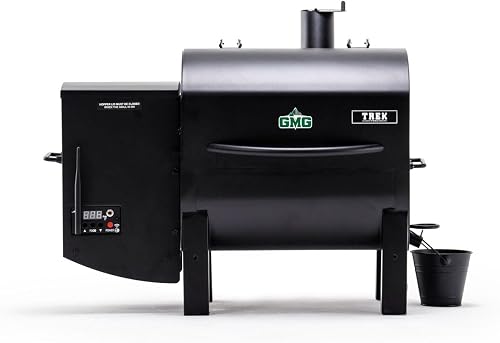
After every cook
Let the grill run its cool-down cycle. When the fire is out and the grill is cool, scrape the grates with a grill brush or scraper. Wipe away loose residue.
Close the lid and cover the grill. That is all you need after a short cook.
Every few cooks
Vacuum the fire pot. Use a shop vacuum to remove ash from the fire pot and the area around it. This is the single most useful maintenance step. A clean pot lights quickly and burns evenly.
Empty the grease tray. Remove the tray or bucket and dispose of the grease in a sealed container. Do not pour it down a drain. Foil liners or disposable tray liners make this easier.
Wipe the heat deflector. The plate over the fire pot collects drippings. Scrape it with a putty knife.
Check the hopper. Look for dust and broken pellets at the bottom. Fine dust can build up and cause feeding problems.

Deep clean, a few times a year
Do a deeper clean every few months with heavy use, or at the start and end of the season.
- Cool and unplug. Make sure everything is cold.
- Empty the hopper. Remove the pellets and vacuum out dust. Many grills have a pellet dump door.
- Remove grates, deflector and drip tray. Scrape them and wash with warm soapy water. Dry thoroughly.
- Vacuum the barrel. Remove ash and debris from the bottom of the cooking chamber.
- Clean the fire pot and igniter area. Vacuum ash from the pot and check that the igniter hole is clear.
- Wipe the interior. Use a damp cloth, not a hose. Avoid any water near the controller or the auger motor.
- Check the probes. Wipe meat probes and the temperature probe, since grease on the sensor can give false readings.
- Reassemble and run a short burn. Run the grill at a high temperature for a few minutes to dry everything.
Skip harsh chemical cleaners, which can leave residue that ends up on your food. Warm water and mild soap are enough.
Pellet storage
Pellets are compressed sawdust, and moisture ruins them. Keep them in a sealed bin or a sealed bag in a dry place. If pellets crumble or swell, throw them away. Do not leave pellets in the hopper for weeks, especially in a humid climate or in the off-season. If the grill will sit, empty the hopper.

Protecting the grill
A fitted cover is the cheapest way to extend the life of the grill. Keep it dry, and avoid placing the grill where sprinklers or rain hit it. In winter, store it in a sheltered spot if you can, and keep the electronics dry. Check wire connections and the power cord for damage from time to time.
Parts that wear out
A few parts have limited lives. The igniter can fail after a few years of use, and replacements are easy. The fan can clog or fail. The auger motor wears over time. Meat probes drift or break. Keep a spare igniter on hand, since it is the most common part to fail. Brands with larger parts networks make this easier, which is one reason people pay for them. Our guide to Traeger grills covers that support network.
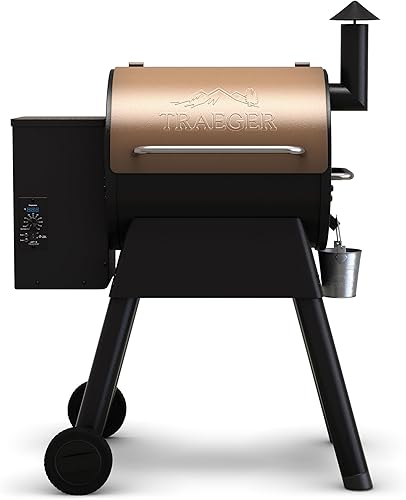
Cleaning as part of cooking
The easiest habit is the cheapest: foil on the drip tray and heat deflector. Replace it when it gets greasy. Line the grease bucket if your grill uses one. Scrape the grates while the grill is still warm, not hot. A few minutes after each cook saves a lot of effort later.
Signs you are overdue
Slow or failed ignition, big temperature swings, thick white smoke, a grease smell or visible grease on the barrel floor. If you see any of these, clean the grill before you troubleshoot anything else. Our troubleshooting guide covers the next steps if cleaning does not fix it.
Common mistakes
Spraying water into the hopper or controller, ignoring grease buildup, leaving damp pellets in the hopper and skipping the fire pot. Another mistake is using harsh chemicals on surfaces that touch food.
A simple cleaning schedule you can follow
The best routine is one you will actually do. Here is a schedule that keeps most grills in good shape without eating your weekends.
After each cook: run the cool-down, scrape the grates and cover the grill.
Every two to three cooks: vacuum the fire pot, empty or line the grease tray and wipe the heat deflector.
Monthly or every 20 hours of cooking: check the hopper for dust, wipe the probes and inspect the cord and connections.
Every few months or at the end of the season: do the full deep clean described above.
Adjust it to how you cook. If you smoke fatty cuts like pork shoulder and brisket, grease builds up faster, and you should clean more often. If you cook lean foods, you can stretch the intervals.
The tools that make it easy
You do not need much. A shop vacuum with a hose is the most useful tool, because it pulls ash out of the fire pot and barrel quickly. A stiff grill brush and a scraper handle the grates and the deflector. A putty knife helps with caked grease. Foil or disposable liners for the drip tray cut cleanup time. A bucket for scraping grease, a roll of paper towels and a bag of gloves finish the kit.
Keep the vacuum for grill use only, and use a model that handles fine ash. Do not vacuum hot embers. Make sure everything is cool.
Rust prevention
Rust is the quiet enemy of pellet grills. Moisture sits on bare metal, and thin finishes chip. Keep the grill covered when it is not in use, and keep it out of direct sprinkler spray. If you see chips in the paint, touch them up with high-heat paint made for grills. Wipe the interior with a lightly oiled cloth after a deep clean, if your manual allows, to protect bare steel.
In humid or coastal areas, check more often. A covered grill in a sheltered spot lasts much longer than an uncovered one in the open.
Electronics and wiring
The controller, fan and igniter are the parts that fail most. Keep them dry, and keep ash and grease off them. Check the power cord for cuts and wear. Do not spray water at the controller or the motor. If a connector looks corroded or melted, stop using the grill and contact the maker.
Surge protection is a cheap precaution for outdoor power. If your grill is plugged into an outlet that trips often, fix the outlet. Use outdoor-rated cords and keep connections off wet ground.
A note on safety
Grease fires are the main hazard in pellet grill maintenance. Do not let grease build up on the barrel floor or in the tray. Keep a fire extinguisher rated for grease fires within reach, and never use water on a grease fire. After a cook, make sure the fire is completely out before you cover the grill. Dispose of ash only after it is fully cold, in a metal container, away from anything flammable.
Our troubleshooting guide covers what to do if cleaning does not solve a problem, and our guide to Traeger grills and Pit Boss grills covers brand-specific support.
Bottom line
Vacuum the fire pot every few cooks, empty the grease tray, keep pellets dry and cover the grill. Do a deeper clean a few times a year. These habits take minutes and prevent most of the problems new owners face. If you are still choosing a grill, see our beginner guide, and for the basics of using one, read how to use a pellet grill.
Frequently asked questions
How often should I clean my pellet grill?
Scrape the grates after each cook, empty the grease tray when it fills and vacuum the fire pot every few cooks. Do a deep clean every few months with heavy use.
Can I use water to clean a pellet grill?
Avoid soaking the grill, and never spray the electronics or the hopper. Wipe parts with a damp cloth and let everything dry.
What happens if I never clean the fire pot?
Ash buildup blocks airflow, which causes lighting problems, temperature swings and flame-outs.
How do I clean the grease tray?
Let the grill cool, remove the tray and scrape or wipe the grease into a disposable container. Use foil or liners to make cleanup easier.
Should I empty the hopper after use?
If the grill will sit unused for a while, yes. Pellets absorb moisture, swell and jam the auger.
How do I clean the fire pot?
Wait until the grill is cool and unplugged, then scoop or vacuum out the ash. Check that the air holes are clear.
Can I use a shop vac on a pellet grill?
Yes, once everything is cool and the grill is unplugged. A shop vac is the easiest way to remove ash.
How do I prevent grease fires?
Clean the grease tray and drip pan regularly, and replace liners. Never let grease build up around the firepot.
Keep reading
 Features and Guides How to Use a Pellet Grill: A First-Cook Walkthrough A step-by-step guide to using a pellet grill for the first time, from burn-in and startup to a first cook, shutdown, cleaning and common problems. 7 min read · Updated Oct 31, 2026 Features and Guides Pellet Grill Troubleshooting: Fix the Most Common Problems How to fix the most common pellet grill problems: it won't light, temperature swings, flame-outs, auger jams, too much smoke and error codes, in plain steps. 8 min read · Updated Nov 8, 2026 Budget and Beginners Best Pellet Grills for Beginners (Easy to Run, Fair on Price) Five pellet grills that are easy to learn and fair on price, with what to look for in a first grill, the mistakes to avoid and a simple first cook. 7 min read · Updated Oct 18, 2026