How to Use a Pellet Grill: From Burn-In to Your First Cook

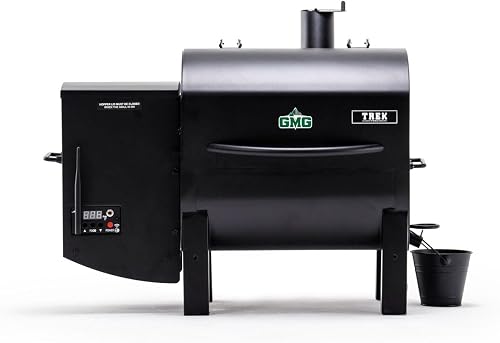
A pellet grill looks complicated until you have used one. Then it feels like an oven that happens to burn wood. You fill a hopper with pellets, set a temperature and the grill does the work: an auger feeds pellets into a fire pot, an igniter lights them, and a fan moves heat and smoke through the chamber. The controller adjusts the pellet feed to hold the temperature you chose.
This walkthrough takes you from unboxing to your first cook, and it covers the habits that keep a grill running well. Your manual always has the final word on startup, burn-in times and temperature settings, since models differ. Treat this as a map of what to expect.
Before the first fire
Assemble the grill on a flat, stable spot away from walls, railings, siding and overhanging branches. Check the manual for clearances, because a pellet grill produces heat and sparks. Never use one in a garage or enclosed space.
Plug it into a grounded outlet. The controller, fan and auger all run on electricity, so you need power nearby. If you use an extension cord, choose one rated for outdoor use, and keep connections off wet ground.
Buy food-grade hardwood pellets, and keep them dry. Damp pellets swell, jam the auger and burn badly. Store the bag in a sealed bin indoors or in a dry spot.

The burn-in
New grills have manufacturing oils on the metal, and the burn-in cooks them off. The steps vary, but the idea is the same. Fill the hopper with pellets, run the startup routine, set a high temperature for the time the manual lists and let the grill run empty with the lid closed.
Expect some smoke and a smell the first time. That is normal. When the burn-in is done, let the grill cool and you are ready to cook.
Some grills ask you to prime the auger first. This means running the auger until pellets reach the fire pot, so the first startup lights quickly. If your manual mentions priming, do it.
Starting the grill
Open the lid, check that the fire pot is clean and empty of old ash and make sure the grease tray is in place. Fill the hopper. Turn the grill on with the lid open or closed as your manual directs, and set the startup temperature or the smoke setting.
The igniter will light the first pellets, and the fan will feed the flame. In a few minutes you should see smoke, and then the temperature begins to rise. Close the lid and set the temperature you want.
Allow 10 to 20 minutes to preheat. Weather matters. A cold, windy day takes longer, so give the grill more time and shield it from the wind if you can.

Setting the temperature
Pellet grills hold a set temperature, with small swings. Low settings, around 180 to 225 degrees, are for smoking. Medium settings, around 250 to 300 degrees, suit ribs, pork shoulder and brisket. Higher settings, around 350 to 450 degrees, suit chicken, vegetables, burgers and roasts.
Choose the temperature, wait for the grill to settle and then add the food. Resist opening the lid unless you need to, because every peek loses heat and smoke.
Your first cook
Start with something forgiving. Chicken thighs are a good first cook, as are sausages or a pork tenderloin. They take little time and give you feedback fast.
For chicken thighs, preheat to about 375 degrees. Season the meat with a simple rub, such as salt, pepper and paprika. Place the thighs on the grate, skin side up, and close the lid. Check the internal temperature in the thickest part with a thermometer, and cook until it reaches a safe temperature. Let the meat rest for a few minutes before serving.
Use a separate thermometer even if the grill has a built-in probe. Built-in probes can drift, and the dome thermometer on the lid measures air temperature at the top, not what the food feels at the grate.

Understanding smoke
Pellet grills produce a lighter smoke flavor than charcoal or offset smokers, and the smoke is strongest at low temperatures. If you want more smoke flavor, start the cook at a lower setting for the first hour or two, then raise the heat. Some grills have a dedicated smoke setting. Your wood choice also matters: hickory and oak give a strong flavor, apple and cherry are milder. Our guide to wood pellets for smoking covers the choices.
Shutting down
When you are done, follow the shutdown routine in your manual. Most grills run a cool-down cycle, with the fan running until the fire pot burns out. Do not unplug the grill before the cycle ends. When the grill is cool, close the lid and cover it.
Empty the grease tray when it is cool, and remove ash from the fire pot every few cooks. Our guide to cleaning and maintaining a pellet grill covers the routine in detail.
Common beginner problems
The grill will not light. Check that the hopper has pellets, the fire pot is clean and the igniter is working. Make sure the pellets reached the pot. Priming the auger helps on a new grill.
The temperature swings. Wind, cold and a dirty fire pot are the usual causes. Shield the grill, clean the pot and check the pellets.
The grill goes out mid-cook. The hopper may be empty, a pellet jam may have formed or the fire pot may be full of ash. Check these first.
Too much smoke. Thick white smoke can mean a cold start, damp pellets or a dirty grill. Thin blue smoke is what you want.
Not enough smoke flavor. Cook at a lower temperature, use stronger pellets and check that the lid is closed. See our troubleshooting guide for more.
Habits that pay off
Keep pellets dry. Clean the fire pot and grease tray regularly. Use a cover. Check food with a separate thermometer. Let the grill preheat fully. Keep the lid closed. And fill the hopper before a long cook, because running out mid-cook is the most common way to ruin dinner.
Safety basics
A pellet grill makes real fire. Keep it clear of anything flammable, and never leave it running unattended for long. Keep a fire extinguisher rated for grease fires within reach. Do not use water on a grease fire. Keep children and pets away from the hot surfaces, and never move a hot grill.
Grease buildup is the main fire risk, which is why regular cleaning matters. A clean grill is a safe grill.
Choosing a grill that is easy to learn
If you are still shopping, look for a model with a simple controller, a good hopper and plenty of buyer feedback. Our guide to pellet grills for beginners compares easy grills, and our guide to the best pellet smokers covers long-cook models. If you are deciding between types of grills, read our comparison of pellet, charcoal and gas.
A few starter recipes
Once you are comfortable with the basics, try three simple cooks. First, chicken thighs at about 375 degrees. Second, a rack of baby back ribs smoked at around 250 degrees for several hours, wrapped partway through. Third, a pork shoulder smoked low and slow until it pulls apart easily. Each builds a different skill: quick roasting, controlled smoking and patience.
Keep notes after each cook: the temperature, the time, the pellets and the result. Within a few cooks you will know how your grill behaves, and you can adjust. Our guide to the best pellet smokers covers grills built for the long cooks.
Using the grill for more than meat
Pellet grills bake and roast well. You can cook pizza, bake bread, roast vegetables, smoke cheese with a cold-smoke accessory and even make desserts in a cast iron pan. Treat the grill like an oven with smoke. Preheat fully, use a pan or a stone where needed and expect slightly different timing from your kitchen oven.
Bottom line
Using a pellet grill is simple once you know the rhythm: burn-in, startup, preheat, cook, cool down, clean. Start with an easy cook, use a separate thermometer and keep the pellets dry. Within a few cooks, the grill will feel like part of the kitchen.
Frequently asked questions
Do I need to season a new pellet grill?
Yes. Most manufacturers call for a burn-in run to remove manufacturing oils. Follow your manual, since the steps and times vary by model.
How long does a pellet grill take to heat up?
Most reach cooking temperature in 10 to 20 minutes, depending on the model and the weather.
Can I leave pellets in the hopper?
Short-term, yes. Long-term, moisture can cause swelling and jams, so empty the hopper if the grill will sit unused for a while.
Why does my pellet grill keep going out?
Common causes are a dirty fire pot, damp pellets, a failed igniter or running out of pellets. Clean the grill and check the hopper first.
What temperature should I cook chicken at on a pellet grill?
Many cooks run chicken at 350 to 400 degrees for crisp skin, then check that the thickest part reaches a safe internal temperature with a thermometer.
What do I do first with a new pellet grill?
Run a burn-in cook as the manual says, then cool and clean it. This removes residue from the factory.
How do I keep the hopper from jamming?
Keep pellets dry and use fresh, good-quality ones. Do not leave pellets in the hopper in damp conditions.
How do I shut down a pellet grill?
Use the shutdown cycle so the auger stops and the fire pot burns off, then wait for it to cool.
Keep reading
 Budget and Beginners Best Pellet Grills for Beginners (Easy to Run, Fair on Price) Five pellet grills that are easy to learn and fair on price, with what to look for in a first grill, the mistakes to avoid and a simple first cook. 7 min read · Updated Oct 18, 2026
 Best Pellet Grills Best Pellet Smokers: Grills That Hold Low Temps for Hours Five pellet smokers compared on temperature control, hopper size and cooking area, with what makes a pellet grill a good smoker and who each pick suits. 7 min read · Updated Oct 24, 2026 Features and Guides Pellet Grill vs Charcoal vs Gas: Which Should You Buy? Pellet, charcoal and gas grills compared on flavor, convenience, searing, cost and learning curve, so you can pick the grill that fits how you cook. 7 min read · Updated Nov 3, 2026