
Best Wood Pellets for Smoking: Which Wood Goes With Which Meat
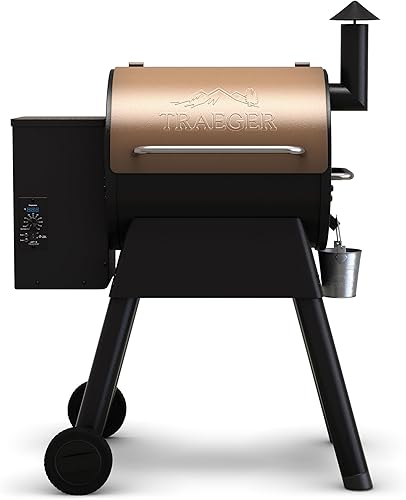
The pellets you burn decide the flavor of your food more than most people expect. They are the only fuel a pellet grill uses, and the wood species changes the taste. Pick pellets well, and you can make the same piece of meat taste different every time.
This guide covers the common woods, which flavors suit which meats and what to look for on the bag. It is about flavor and quality, not brand names, since the best pellet for you depends on what you cook.
What pellets are
Wood pellets are compressed sawdust from hardwood. The pressure binds them without glue, and the heat of pressing activates the wood's natural binder, lignin. Good pellets are dense, dry and uniform. They burn cleanly and leave little ash.
Pellets sold for cooking should be food-grade. Never use heating pellets in a grill, because some use softwood and additives that are not meant for food.

Pure wood, blends and fillers
Pure species pellets are made from one wood, such as hickory or apple. They give a distinct flavor and let you control the result.
Blends mix woods, usually with a base like oak or alder. They are easy, forgiving and good all-around.
Filler pellets use a cheap base wood with a small amount of flavor wood or oil. They burn fine but give a weaker, less distinct flavor. Check the label. If it says only "flavor" or does not list the wood, the pellets may be mostly filler.
The main flavors
Hickory. Strong, savory and classic for barbecue. A good match for pork, ribs, bacon and beef. It can turn bitter if overused, so blend it for milder cuts.
Oak. Medium and balanced. It pairs with almost anything, especially brisket, and is a safe default.
Mesquite. Very strong and earthy. It burns hot and fast. Good for steaks and short cooks, and often too much for long smokes.
Apple. Mild and slightly sweet. A fine choice for chicken, pork and fish.
Cherry. Mild and fruity, and it adds a rich red color to meat. It goes well with chicken, pork and ribs, and many cooks blend it with hickory.
Pecan. Medium and nutty, a bit sweeter than hickory. A good all-rounder for pork, chicken and beef.
Maple. Mild and slightly sweet. Good for poultry, ham and vegetables.
Alder. Light and delicate. A classic for salmon and other fish.

Pairings by meat
Brisket: oak, hickory or a blend of the two. Pecan also works.
Ribs and pork shoulder: hickory, apple, cherry or a blend. Apple and hickory together are a popular pair.
Chicken and turkey: apple, cherry or maple for a mild flavor, or pecan for something richer.
Steak: oak or mesquite, in short doses.
Salmon and fish: alder, apple or maple.
Vegetables and cheese: apple, maple or a mild blend.
These are starting points, not rules. Experiment, and keep notes on what you like.
What to look for on the bag
Wood species listed. A good bag tells you which woods are inside.
Food-grade. Look for a clear statement that the pellets are made for cooking.
Low dust. Check through any clear window. Lots of dust and broken pellets means poor handling and causes feeding problems.
Low ash. Quality pellets leave less ash, which means less cleanup and fewer problems at the fire pot.
Sealed packaging. A sealed bag keeps moisture out.
Weight and price per pound are worth comparing, but cheapest is not always best. A few cents more per pound can mean cleaner burning and better flavor.

Storing pellets
Moisture is the enemy. Pellets swell and crumble when they get damp, which jams the auger and burns poorly. Keep them in a sealed bin or in the original bag inside a dry spot. Do not store a bag on a concrete floor, where moisture seeps in. Do not leave pellets in the hopper for weeks, especially in a humid climate.
If pellets are crumbly or swollen, throw them away. Sifting out dust before loading helps with feeding.
Getting more flavor from any pellet
Smoke flavor is strongest at low temperatures, so start a cook low. Keep the lid closed. Use a smoke setting if your grill has one. Add a smoke tube filled with stronger pellets for extra flavor. And do not oversmoke: more smoke is not always better. A thin, clean smoke tastes much better than a thick, harsh one.
Our guide to the best pellet smokers covers grills that hold low temperatures well, and our walkthrough on how to smoke a brisket uses these pairings in a real cook.

Using your grill brand's pellets
Many brands sell their own pellets and recommend them. They are fine, and often convenient, but not required. Most grills run well on any good food-grade hardwood pellets. Check your warranty to be sure. For help with brands, see our guide to pellet grill brands.
Common mistakes
Buying filler pellets, storing pellets in damp places, using heating pellets and sticking with one flavor for everything. Another mistake is too much mesquite or hickory on delicate foods.
How pellets affect temperature and ash
Flavor is only part of the story. Pellets also decide how steadily the grill burns. Dense, dry pellets burn evenly and leave a small amount of ash. Pellets with filler, high moisture or lots of dust burn unevenly, produce more ash and can cause temperature swings. A full fire pot of ash blocks airflow, and the grill may struggle to light or hold its temperature.
If your grill is running well on one brand and badly on another, the pellets are a good suspect. Switch to a fresh bag and see whether the problem goes away. Keep a notebook of what you used and how the grill behaved. Over time, you will learn which pellets suit your grill and your cooking.
Cooking pellets versus heating pellets
Never put heating pellets in a cooking grill. Heating pellets are made for stoves, and some use softwoods, binders or additives that are not safe for food. Cooking pellets are made from food-grade hardwoods, and the bag will say so. If a bag does not say it is for cooking, do not use it in your grill.
Building a flavor routine
Many cooks keep two or three types of pellets on hand and mix them to match the food. A simple setup is a bag of oak or a blend for everyday use, a bag of hickory for pork and beef and a bag of apple or cherry for chicken and fish.
Mix them in the hopper, or run a mild wood for most of the cook and a stronger one at the start. You can also run a stronger smoke early, when meat takes up smoke best, then switch to a milder wood. Keep notes on what you tried, since small changes in the blend can change the result.
Smoke tubes and boxes
A pellet grill makes a lighter smoke than a charcoal or offset smoker. If you want more, a smoke tube is a cheap accessory. It is a perforated metal tube filled with pellets, which you light and place on the grate. It burns for hours and produces a steady smoke. A smoke box does something similar. Use them carefully, keep them away from grease and follow the manufacturer's directions.
Mistakes with pellets
Mixing damp and dry. One damp bag in a hopper full of dry pellets causes jams. Keep them separate and discard anything that has swollen.
Overfilling the hopper for the off-season. Pellets left in the hopper for weeks absorb moisture. Empty it if the grill will sit.
Choosing by price alone. The cheapest pellets are not always the best, and a few cents more per pound can mean cleaner burning.
Strong wood on delicate food. Mesquite and hickory can overwhelm fish and chicken. Match the strength to the food.
Ignoring the ash. If ash builds up quickly, change pellets and clean the pot more often.
Our guide to how to use a pellet grill covers startup and cleanup, and our troubleshooting guide helps if a bad bag causes trouble.
Bottom line
Oak and hickory suit beef and pork, apple and cherry suit poultry and pork, alder suits fish and a good blend suits everything. Buy food-grade pellets with a listed wood, keep them dry and match the flavor to the food. For help with the basics, read how to use a pellet grill.
Frequently asked questions
What is the best wood pellet flavor?
There is no single best. Hickory and oak suit beef and pork, apple and cherry suit poultry and pork, and blends are an easy all-purpose choice.
Are all wood pellets the same?
No. Some are pure hardwood, and others use filler woods or flavoring oils. Check the label for the wood species and a food-grade rating.
Can I mix pellet flavors?
Yes. Many cooks blend a strong wood like hickory with a mild one like apple, or run different flavors for different stages of a cook.
Do pellets go bad?
Dry pellets keep for a long time. Moisture ruins them, so store them in a sealed container and discard any that crumble or swell.
Do I have to use my grill brand's pellets?
Most grills run well on any quality food-grade hardwood pellet. Check your warranty terms if you are unsure.
What are the best pellets for brisket?
Oak, hickory and mesquite are common. Oak is mild and versatile, hickory is stronger, and mesquite is strong.
Which pellets are best for chicken?
Apple, cherry and pecan are mild and fruity. They complement poultry without overpowering it.
Are 100 percent hardwood pellets better?
Yes. Blends with filler woods can burn unevenly and produce more ash, so check the label.
Keep reading
 Best Pellet Grills Best Pellet Smokers: Grills That Hold Low Temps for Hours Five pellet smokers compared on temperature control, hopper size and cooking area, with what makes a pellet grill a good smoker and who each pick suits. 7 min read · Updated Oct 24, 2026 Features and Guides How to Use a Pellet Grill: A First-Cook Walkthrough A step-by-step guide to using a pellet grill for the first time, from burn-in and startup to a first cook, shutdown, cleaning and common problems. 7 min read · Updated Oct 31, 2026 Features and Guides How to Smoke a Brisket on a Pellet Grill, Step by Step A clear, step-by-step guide to smoking a brisket on a pellet grill, from trimming and seasoning to the stall, wrapping, probing for tenderness and resting. 8 min read · Updated Nov 4, 2026