
How to Smoke a Brisket on a Pellet Grill: A Step-by-Step Guide
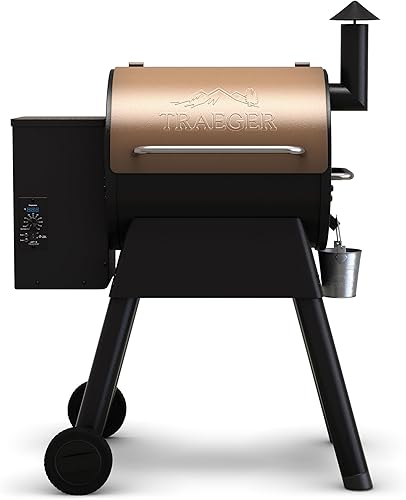
Brisket has a reputation for being difficult, and it has earned it. It is a tough cut that needs hours of gentle heat, and it punishes impatience. A pellet grill makes the job much easier, because it holds a steady temperature and feeds itself. You still need to do the work in the right order.
This guide walks through the whole cook. Times and temperatures vary by brisket, grill and weather, so the most important tool is a good thermometer. Cook to feel and tenderness, not to the clock.
What you need
A whole packer brisket, usually 12 to 18 pounds, or a smaller flat if your grill is compact. Coarse salt and black pepper for a classic rub. A sharp knife. Hardwood pellets, such as oak or hickory. A reliable thermometer, ideally with a probe you can leave in. Butcher paper or foil. A cooler and towels for resting.
Make sure your grill is up to the job. Check that the grate is wide enough, the hopper is full and the grease tray is clean. Our guide to the best pellet grills for brisket covers grills with the room and hopper size for a full packer.

Step 1: Trim
Chill the brisket well, since cold fat is easier to cut. Trim the hard fat and any silver skin from the meat side. On the fat side, trim the fat cap to about a quarter of an inch. This gives the fat room to render without leaving a greasy crust. Round off sharp corners, so thin edges do not burn.
Step 2: Season
The simplest rub is also the best: equal parts coarse salt and coarse black pepper. Season all sides generously. Many cooks season the night before and leave the brisket uncovered in the refrigerator, which dries the surface and helps the bark form. Others season right before cooking. Both work.

Step 3: Preheat and load
Fill the hopper. Preheat the grill to about 225 to 250 degrees with the lid closed. Place the brisket on the grate. Many cooks place it fat side toward the heat source, which on most pellet grills is below, so the fat protects the meat. Check your grill's design.
Insert a probe into the thickest part of the flat, avoiding the fat pocket. Close the lid.
Step 4: Smoke
For the first few hours, leave it alone. Meat takes smoke best at low temperatures early in the cook, and every time you open the lid you lose heat and smoke. Resist spritzing too often. If the surface looks dry after a few hours, a light spritz of water or apple juice is fine, but the lid should not stay open.
Keep an eye on the pellet level, and top up the hopper before it runs low.

Step 5: The stall
At some point the internal temperature, rising steadily, will stall and sit still for a long time, often between roughly 150 and 170 degrees. This is normal. Moisture evaporating from the surface cools the meat as fast as the grill heats it. Do not raise the heat in a panic.
You can ride it out, which takes patience, or you can wrap.
Step 6: Wrap
Wrapping helps push through the stall. Wait until the bark has set and the color is dark and deep, then wrap the brisket tightly in butcher paper or foil. Paper lets some steam escape and keeps more bark. Foil traps moisture and speeds the cook, though it softens the crust.
Insert the probe through the wrap, and return the brisket to the grill.

Step 7: Cook to tenderness
Brisket is done when it is tender, not at a particular number. Most briskets finish somewhere around 200 to 205 degrees, but the real test is feel. Probe the thickest part of the flat. The probe should slide in with almost no resistance, like pushing into soft butter. If it resists, keep cooking and check again in 20 to 30 minutes.
Resist the urge to pull it early. A brisket that is almost done is tough, and one more hour often fixes it.
Step 8: Rest
This step is as important as the cook. Take the brisket off the grill, leave it in its wrap and let it rest for at least an hour. Many cooks rest for two hours or more, wrapped in towels inside an empty cooler. Resting lets the juices redistribute and the meat relax.
Step 9: Slice
Separate the flat from the point if you are cutting a full packer. Slice the flat against the grain, about the thickness of a pencil. The grain changes direction between the flat and the point, so check before each cut. The point can be sliced or cubed for burnt ends.
Use a sharp, long knife and slice with smooth strokes. Serve right away, with the juices from the wrap spooned over the meat.
Common problems
Dry brisket. Usually cooked too hot, wrapped too late or sliced too soon. Keep the temperature steady, wrap when the bark sets and rest long enough.
Tough brisket. Not cooked long enough. Keep going until it probes tender.
No bark. Wrapped too early or too much moisture on the surface. Let the bark set before wrapping.
Not enough smoke. Start at a lower temperature, use stronger pellets and keep the lid closed. Our guide to wood pellets for smoking covers flavors.
Grill ran out of pellets. Fill the hopper to the top before you start. Check the level every few hours.
Protecting a long cook
Shield the grill from wind. Check the grease tray before you start, since a full tray on a long cook is a fire risk. Keep a spare bag of pellets handy. If you cook overnight, a WiFi grill lets you check the temperature from bed. Our guide to WiFi pellet grills compares those options.
Common mistakes
Opening the lid constantly, slicing too soon, wrapping too early, cooking by the clock and not by feel, and skipping the rest. Another mistake is buying a grill that is too small for a full packer.
A sample timeline
Every brisket is different, but a rough schedule helps you plan. Suppose you want to eat at 6 in the evening. Plan on starting the cook in the evening the night before or early the next morning, depending on the size. Season the night before. Preheat the grill and load the brisket. Smoke for the first several hours without opening the lid. When the bark has set and the color is deep, wrap. Return it to the grill and cook until it probes tender. Pull it and rest it in a cooler for at least an hour, ideally two.
Build in a buffer. A brisket that finishes early can rest in a cooler for hours and stay hot. A brisket that finishes late means hungry guests. When in doubt, start earlier than you think you need to.
Choosing and buying a brisket
A packer brisket includes the flat and the point. Look for a cut with good marbling and an even thickness, with a thick, flexible flat. Grades vary, and higher-grade cuts have more marbling and are more forgiving. Ask the butcher for a whole packer, and check the weight. A cut around 12 to 14 pounds fits most home grills and cooks in a manageable time.
Keep it cold until you are ready to trim. If you buy a frozen brisket, thaw it in the refrigerator over several days. Never thaw at room temperature.
Tools that make it easier
A reliable probe thermometer is the most important tool. Butcher paper, foil, a sharp slicing knife and a cutting board with a juice groove are the others. A cooler and towels let you rest the brisket. A spray bottle is optional, for spritzing with water or juice. A pair of heat-resistant gloves helps when you handle a hot, wrapped brisket.
Troubleshooting a brisket cook
The temperature stalls for hours. Normal. Wait, or wrap.
The bark looks too dark. Wrap earlier, and lower the temperature a little. Paper keeps bark crisper than foil.
The edges are dry. Trim thin edges before the cook, and make sure the fat cap faces the heat.
The grill temperature drops. Check the hopper, the fire pot and the wind. Our troubleshooting guide has more.
It is done too early. Wrap in towels and hold it in a cooler.
It is tough. It needs more time. Keep cooking and check again.
Leftovers
Brisket makes great leftovers. Store slices in an airtight container in the refrigerator, with a little of the juice. Reheat gently in a covered pan or a low oven, with a splash of broth. Chop leftovers for tacos, hash, chili or sandwiches. Freeze in portions for later.
For grills that handle a full brisket comfortably, see our guide to the best pellet grills for brisket.
Bottom line
Trim lightly, season simply, smoke low and slow, wrap when the bark sets, cook until the probe slides in like butter and rest for at least an hour. A steady pellet grill and a good thermometer do most of the work. For more on long-cook grills, see our guide to the best pellet smokers.
Frequently asked questions
How long does it take to smoke a brisket?
Plan on many hours, often 10 to 14 for a full packer, depending on size and temperature. Cook to tenderness, not the clock.
What temperature should I smoke brisket at?
Many cooks use 225 to 275 degrees. Lower is slower and smokier, and higher finishes faster.
What is the stall?
A long period when the internal temperature stops rising, caused by moisture evaporating from the surface. It is normal. Wrapping the brisket helps push through it.
Should I wrap my brisket?
Many cooks wrap in butcher paper or foil once the bark has set. Paper keeps more bark, and foil speeds the cook and softens the crust.
How long should I rest a brisket?
At least an hour, and many cooks rest longer wrapped in a towel inside a cooler. Resting lets the juices settle.
Should I trim a brisket before smoking?
Yes. Trim hard fat and leave about a quarter inch of fat on the fat cap so the meat stays moist.
What wrap should I use, butcher paper or foil?
Butcher paper lets the bark stay firmer, while foil speeds up the cook and makes the meat softer. Both work.
How do I know when a brisket is done?
Probe it. It should slide in like butter, usually around 200 to 205 degrees F.
Keep reading
 Best Pellet Grills Best Pellet Grills for Brisket: Room, Hoppers and Steady Heat Five pellet grills that handle a full packer brisket, compared on cooking area, hopper size and temperature control, with what to check before you buy. 7 min read · Updated Oct 30, 2026 Best Pellet Grills Best Pellet Smokers: Grills That Hold Low Temps for Hours Five pellet smokers compared on temperature control, hopper size and cooking area, with what makes a pellet grill a good smoker and who each pick suits. 7 min read · Updated Oct 24, 2026 Features and Guides How to Use a Pellet Grill: A First-Cook Walkthrough A step-by-step guide to using a pellet grill for the first time, from burn-in and startup to a first cook, shutdown, cleaning and common problems. 7 min read · Updated Oct 31, 2026