
Pellet Grill vs Charcoal vs Gas: What Each One Is Actually Good At

People ask which grill is best as if there is one answer. There is not. Pellet, charcoal and gas grills each do something the others do worse, and the right pick depends on what you cook, how much time you want to spend and what you expect the food to taste like.
This guide compares the three on the things that matter, then helps you choose. It is a lifestyle decision more than a technical one.
How each one works
Gas burns propane or natural gas through burners under the grate. You turn a knob, press an igniter and cook. Heat is instant and easy to adjust.
Charcoal burns lumps or briquettes in a bowl. You light the coals, wait until they are ready and manage heat with vents. It takes skill, but the heat can be intense.
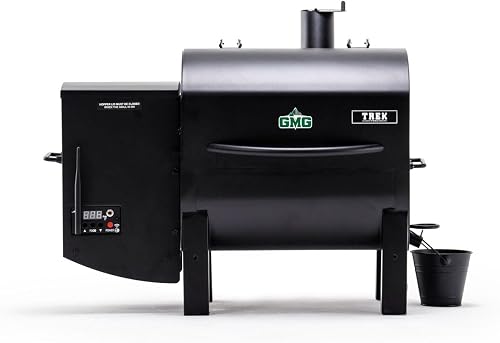
Pellet burns compressed hardwood pellets fed by an auger, with a fan and a controller. You set a temperature and the grill holds it, much like an oven. Electricity runs the controller and fan.

Flavor
Charcoal gives the strongest smoky char, which many grillers love. Gas gives almost no smoke flavor on its own, because propane burns clean. Pellet grills sit in between: they add real wood-smoke flavor, but it is milder than charcoal or an offset smoker because pellets burn efficiently.
If flavor is your top priority and you do not mind work, charcoal wins. If you want smoke flavor with almost no effort, pellets win. If you mostly want grill marks and a quick dinner, gas is fine.
Convenience
Gas is the most convenient for quick cooking. You light it in a minute and cook right away. Pellet grills take 10 to 20 minutes to preheat, but then they run themselves for hours, which makes them the most convenient for long cooks. Charcoal is the least convenient: you light, wait, manage vents and clean up ash.
Searing
Charcoal and gas both sear well, and charcoal can reach very high temperatures. Most pellet grills top out near 450 to 500 degrees, which browns food but does not give a deep sear. A few, like the Weber Searwood or grills with a flame broiler, do better. Our guide to pellet grills with searing covers the options. A hot cast iron pan can finish a steak that came off a pellet grill.
Smoking and low-and-slow
Pellet grills are excellent here. They hold steady low temperatures for hours, with little attention, which is exactly what brisket, ribs and pork shoulder want. Charcoal can do it too, but it takes constant tending. Gas can do it with a smoker box, though results are limited. For low-and-slow, pellets are the easy path. Our guide to the best pellet smokers compares grills built for it.

Cost
Gas grills can be inexpensive to buy and cheap to run, since propane is inexpensive per cook. Charcoal grills are cheap to buy, and fuel costs rise with heavy use. Pellet grills cost more up front, and pellets cost more per cook than propane, plus a little electricity. Prices vary a lot by model, so compare before you buy. Our under $500 guide shows how little a pellet grill can cost.
Learning curve
Gas is the easiest: if you can turn on a stove, you can use it. Pellet grills are easy once you learn a few habits, and our walkthrough on how to use a pellet grill covers them. Charcoal has the steepest learning curve, because you manage fire directly.

Maintenance
Gas grills need burner and grate cleaning and occasional parts. Charcoal grills need ash removal and rust prevention. Pellet grills need regular cleaning of the fire pot and grease tray, plus dry pellets. Pellet grills also have electronics, which can fail. Our guide to cleaning and maintaining a pellet grill covers what it takes.
Weather and portability
Gas and charcoal grills do not need electricity, which makes them easy to use anywhere. Pellet grills need power, so camping and tailgating need a plan. Wind and cold affect pellet grills more, since thin steel loses heat. Our guide to pellet grills for cold weather covers that.
Which one fits you
Choose gas if you grill most nights, want fast heat and care mostly about convenience and searing.
Choose charcoal if you love the ritual, want the strongest char and smoke flavor and enjoy tending a fire.
Choose a pellet grill if you want to smoke meat, cook for long stretches without babysitting and like the oven-like control.
Many serious cooks own two: a pellet grill for smoking and a gas or charcoal grill for fast, hot cooking. If you can only own one and you cook quick meals most of the week, gas probably serves you best. If you love barbecue, pellets give you the most results for the least effort.
Common mistakes
Buying a pellet grill expecting a hard sear, buying gas expecting real smoke, buying charcoal without time to tend it and ignoring electricity needs for pellets. Another mistake is paying for features you will not use.
If a pellet grill sounds right for camping or tailgating, see our guide to camping pellet grills.
Real-world scenarios
Abstract comparisons only go so far, so picture how each grill fits a real week.
A Tuesday night. You get home late and want dinner in 30 minutes. Gas wins. You light it, preheat for a few minutes and cook burgers or chicken. A pellet grill takes longer to preheat, though it can still do a quick dinner. Charcoal would take the most effort.
A Saturday afternoon. You have the whole day, and the family is coming over. A pellet grill is at its best here. You set it, load the ribs or pork shoulder and spend the afternoon with your guests, not tending a fire.
A summer cookout with steaks. Charcoal or gas gives you the hot sear. A pellet grill with a flame broiler or a searing design can do it, and the reverse sear works well on any model.
A camping trip. Gas or charcoal needs no electricity, which makes them easy. A pellet grill needs a power source. Our guide to camping pellet grills covers what to plan.
A cold January weekend. Gas performs reliably in cold. A pellet grill can cook in winter but works harder, as our guide to pellet grills for cold weather explains.
Fuel costs and availability
Propane is cheap per cook and easy to buy, and refilling or swapping a tank is simple. Charcoal is widely sold, and the cost depends on how much you cook. Pellets are sold at hardware stores, big-box stores and online, and prices vary by brand and season. A pellet grill also uses a little electricity, which is minor.
Running out of fuel in the middle of a cook is a risk with all three. Propane tanks give little warning, so keep a spare. Charcoal can be topped up. Pellet hoppers need checking on long cooks. If you cook often, the fuel you can buy easily and store dry matters.
Space and storage
Gas grills come in compact and large sizes and need space for a propane tank. Charcoal kettles are compact and light. Pellet grills are often bulky, with a hopper and a controller, and need an electrical outlet nearby. Measure your patio, and check clearances in the manual. If you live in an apartment, check your lease and local fire rules before buying any of them.
Health and smoke
Smoke flavor comes from burning wood or charcoal, and the way you cook matters. Charring meat at very high heat can create compounds that some people prefer to limit. Many cooks reduce this by trimming fat, avoiding flare-ups and not cooking food to a blackened crust. Pellet grills have less direct flame than charcoal or gas, so flare-ups are less common, although a flame broiler brings them back.
Can one grill do it all?
Not perfectly, but some come close. A pellet grill with a good sear feature handles smoking and steak. A gas grill with a smoker box handles quick cooks and light smoking. Charcoal can do both with skill. If you must pick one, start from the cooking you do most often, and accept a compromise on the rest.
If you want to learn more about the pellet side, our beginner guide and our guide to wood pellets for smoking are good next steps.
Bottom line
There is no single best grill. Pellet grills win on smoking and convenience for long cooks, charcoal wins on char and flavor and gas wins on speed and simplicity. Pick the one that matches the way you actually cook. If that is pellets, start with our main guide or our beginner picks.
Frequently asked questions
Is a pellet grill better than gas?
For smoking and steady low-and-slow cooking, yes. For fast weeknight grilling and hard sears, gas is quicker and hotter.
Do pellet grills taste as good as charcoal?
They taste different. Charcoal gives a stronger char and smoke. Pellets give a cleaner, milder wood flavor with far less work.
Which is cheapest to run?
Gas is usually cheapest per cook. Pellets and charcoal cost more per cook, and pellet grills also use some electricity.
Can I sear on a pellet grill?
To a point. Most reach 450 to 500 degrees. Grills with a flame broiler or a searing design do better, and a hot pan can finish a steak.
Which is best for a beginner?
A gas grill is easiest for quick meals. A pellet grill is easiest for smoking. Charcoal has the steepest learning curve.
Which grill is easiest to clean?
Gas grills are generally the easiest, followed by pellet grills. Charcoal creates more ash to deal with.
Which one gives the best smoke flavor?
Charcoal and pellet grills both add real smoke flavor. Gas adds very little unless you use a smoke box.
Which is best for apartment balconies?
Check your building rules. Many ban charcoal and gas grills on balconies, and pellet grills may be restricted too.
Keep reading
Best Pellet Grills Best Pellet Grills for Backyard Cooking Six pellet grills compared by cooking area, controls, build and price, with plain notes on who each one suits and who should skip it. 11 min read · Updated Oct 17, 2026 Features and Guides How to Use a Pellet Grill: A First-Cook Walkthrough A step-by-step guide to using a pellet grill for the first time, from burn-in and startup to a first cook, shutdown, cleaning and common problems. 7 min read · Updated Oct 31, 2026 Budget and Beginners Best Pellet Grills for Beginners (Easy to Run, Fair on Price) Five pellet grills that are easy to learn and fair on price, with what to look for in a first grill, the mistakes to avoid and a simple first cook. 7 min read · Updated Oct 18, 2026